Panorama Produce recalls 302 boxes of Walmart mangoes over salmonella
The Martina-brand fruit reached select stores in Connecticut, New York, New Jersey and Pennsylvania, and no illnesses have been reported.
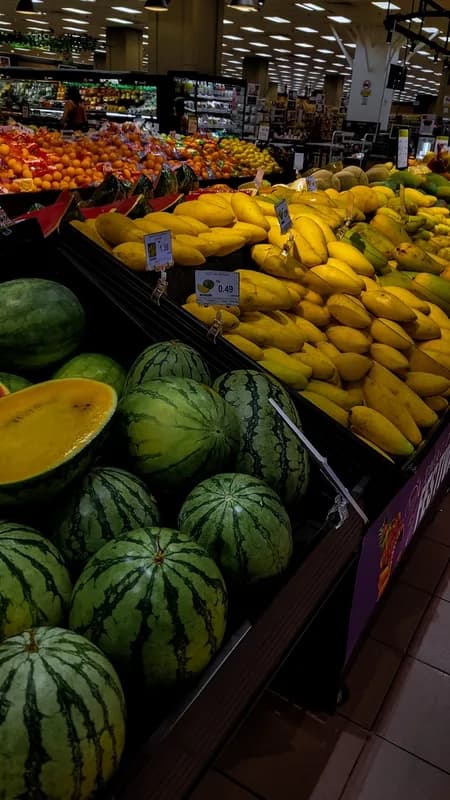
Panorama Produce is recalling 302 boxes of mangoes sold at select Walmart stores in four states because they may be contaminated with Salmonella, according to a notice released by the Food and Drug Administration. The company announced the recall on Aug. 28, 2026, and the FDA published the notice the following day. No illnesses have been reported in connection with the recalled fruit, the agency and the company said.
| Detail | Information |
|---|---|
| Product | Size 9 Martina-brand mangoes |
| Boxes recalled | 302 |
| Sticker | Light blue Agrofepac, Produce of Mexico |
| PLU number | 4584 |
| UPC number | 07503061948050 |
| States | Connecticut, New York, New Jersey, Pennsylvania |
| Distributed | Aug. 10 through Aug. 21, 2026 |
The recalled mangoes were packaged in a Martina-branded case, and each piece of fruit carries a light blue sticker labeled Agrofepac, Produce of Mexico. Individual mangoes can be identified by a PLU number of 4584 and a UPC of 07503061948050. Consumers are urged to check those codes before eating any mango bought at a Walmart in the affected states between Aug. 10 and Aug. 21, 2026, since the recall is defined by the product itself rather than the store or the date.
Where the mangoes were sold
The fruit was distributed from Aug. 10 through Aug. 21, 2026, to select Walmart stores in Connecticut, New York, New Jersey and Pennsylvania. The recall applies only to product matching the Martina brand, the Agrofepac sticker and the two product codes; mangoes from other suppliers, and mangoes sold at Walmart stores outside those four states, are not affected.
- Size 9 mangoes in a Martina-branded case
- A light blue sticker reading Agrofepac, Produce of Mexico
- PLU number 4584
- UPC 07503061948050
Consumers who find mangoes matching those identifiers should throw them away or return them to the place of purchase rather than eat them, regulators said.
Anyone who believes they may have become ill after eating the mangoes should contact a health care provider. Shoppers with questions about the recall can reach Panorama Produce by email at information@panoramaproduce.com, Monday through Saturday from 9 a.m. to 7 p.m. Eastern time. The FDA advised consumers to use the product identifiers to determine whether a mango is included, rather than relying on where or when they shopped.
Why the recall was issued
The recall began after FDA sampling detected Salmonella in mangoes grown on the same farm as the recalled fruit. Those mangoes that tested positive were never distributed into U.S. commerce, officials said, so the contamination was not found in any box that reached a store. The agency and the company nonetheless treated the shared growing source as reason enough to pull the product, and Panorama Produce began the recall as a precaution rather than in response to a confirmed problem with the fruit on Walmart shelves.
The link between the tested fruit and the mangoes on sale is the entire basis for the action, which the company laid out in the recall notice released through the FDA.
The recalled mangoes and the sampled mangoes share the same source, therefore Panorama Produce has initiated a recall.
The affected mangoes were distributed over a 12-day window, from Aug. 10 to Aug. 21, 2026. The FDA and the company advised customers who still have the fruit not to eat it if it matches the recall codes, and to check any mangoes bought at Walmart in that period against the identifiers on the sticker and the box.
Company calls the action voluntary
Panorama Produce described itself as an experienced produce importer focused on food safety and said it acted in coordination with federal regulators. The company framed the recall as a voluntary step taken before any consumer was known to be harmed, and it repeated that no illnesses had been linked to the fruit. It urged customers who bought the mangoes to check them against the recall details rather than assume they were safe.
Panorama Produce is an experienced produce importer committed to a strong focus on food safety. This recall is being conducted voluntarily and in coordination with the U.S. Food and Drug Administration.
No illnesses have been tied to the recalled mangoes as of the announcement, the FDA and Panorama Produce said. That leaves the recall in the category of a precaution, a product removed from sale because of a potential hazard traced to its source, not because anyone is known to have gotten sick from eating it. Regulators still urged anyone who consumed the fruit and felt unwell to seek medical care.
Salmonella is an organism that can cause serious and sometimes fatal infections, especially in young children, frail or elderly people, and others with weakened immune systems. The bacteria can be found in almost any food that has been contaminated or improperly cooked or stored, and they can also be passed from person to person or from animals to people.
Healthy people infected with Salmonella may experience fever, diarrhea, nausea, vomiting and abdominal pain, and the diarrhea can be bloody. Symptoms often appear within 6 hours to 6 days of eating contaminated food, and otherwise healthy adults are usually sick for four to seven days. In some cases the diarrhea is severe enough to require hospitalization.
In rare instances, the bacteria can enter the bloodstream and cause more severe illnesses, including arterial infections, endocarditis and arthritis.
Who faces the greatest risk
Infants, children, seniors and people with weakened immune systems face the highest risk of serious illness because their immune systems are more fragile. Older adults, children, pregnant women and people with conditions such as cancer are more likely to develop severe and sometimes life-threatening complications. Anyone can become infected, and children under 5 and infants who are not breastfed are among those most likely to get sick.
What shoppers should check at home
Shoppers who bought mangoes at a Walmart in Connecticut, New York, New Jersey or Pennsylvania between Aug. 10 and Aug. 21 should look at the packaging and stickers before eating the fruit. The recalled product came in a Martina-branded case and each mango carries a light blue Agrofepac sticker reading Produce of Mexico. The two numbers that confirm a match are PLU 4584 and UPC 07503061948050.
Rinsing the fruit is not a substitute for removing it, because germs on the peel can get inside a mango when it is cut. A mango that matches the recall should be discarded or returned to the store for a refund rather than washed and eaten. Contaminated fruit will not look, smell or taste any different from safe fruit, which is why the codes, not the appearance, decide the question.
Anyone who already ate the fruit and later develops symptoms should tell a doctor about the possible exposure, because special laboratory tests are needed to diagnose salmonellosis. Salmonella symptoms can mimic other illnesses, which frequently leads to misdiagnosis, so mentioning the recall can help a provider order the right tests and reach an accurate answer.
Recovery and prevention
Some people are infected without ever feeling sick or showing symptoms, yet they can still pass the bacteria to others. Because of that, health officials advise washing hands with soap and running water for at least 20 seconds after using the toilet or handling raw food, and anyone with diarrhea should avoid preparing food or drinks for other people until it has stopped. Careful handwashing after contact with animals is also recommended, since poultry and other animals can carry the germs even when they look clean and healthy.
Most people recover without treatment within a few days. Doctors may recommend antibiotics for people with severe illness and for those at higher risk, including infants, adults 65 and older, people with weakened immune systems, and adults 50 and older with medical problems such as heart disease. Drinking plenty of fluids is advised while diarrhea lasts.
To limit exposure more broadly, the Centers for Disease Control and Prevention recommends keeping cooked and raw foods separate, refrigerating cut fruit or keeping it on ice, and avoiding produce that is bruised or damaged. Contaminated food usually looks and smells normal, so the agency stresses that safe handling matters even when nothing appears wrong with the food. For produce that is not recalled, cooked is the safest to eat, and washing under running water is the next safest option.
Salmonella is among the most common causes of foodborne illness in the country. The CDC says the bacteria cause about 1.35 million illnesses, 26,500 hospitalizations and 420 deaths in the United States each year, and it notes that infections tend to rise in the warm summer months.
Shoppers unsure whether their fruit is included can compare it against the recall codes or contact Panorama Produce by email at information@panoramaproduce.com. The recall covers only the 302 boxes sent to select Walmart stores in the four states between Aug. 10 and Aug. 21, 2026. Mangoes that do not match the Martina case, the Agrofepac sticker and the product codes are not part of it, and the FDA said the alert is a reminder to check food safety notices when a recently bought product is recalled.
Sources
- FDA: Panorama Produce Recalls Mangoes Due to Possible Salmonella Contamination
- Food Safety News: Mangoes Sold at Walmart Recalled Because of Salmonella Risk
- Fox Business: Walmart Mangoes Recalled Over Potential Salmonella Contamination
- KIRO 7: Mangoes Sold at Select Walmart Stores Over Salmonella Concern
- MundoNow: Mangoes Recalled Over Possible Salmonella: Check Your Labels
- Mississippi State Department of Health: Salmonella Infection and Prevention