Florida woman won't be charged in Walmart parking spot killing
Prosecutors cited Florida's stand your ground law in the June 30 shooting death of Army veteran Bart DiGuglielmo, 62.
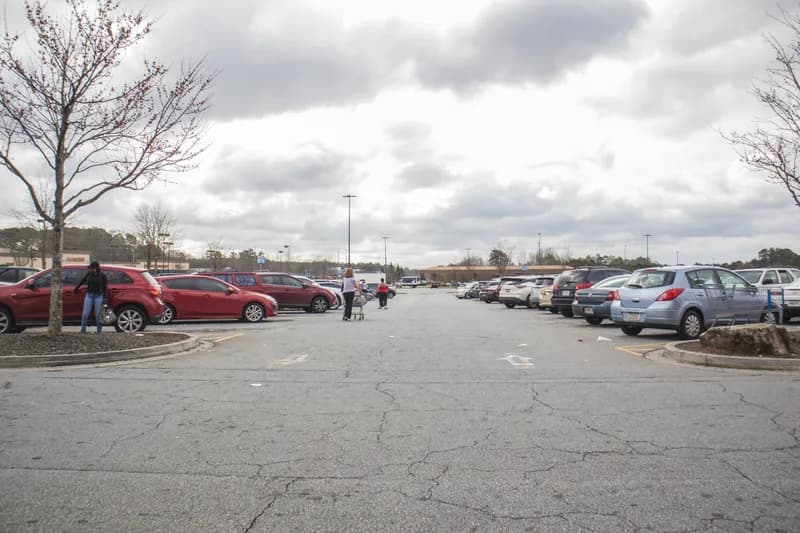
The Broward County State Attorney's Office said on Thursday, Sept. 3, that it will not file charges against a woman who fatally shot a man over a parking space at a North Lauderdale Walmart in June, concluding she was protected by Florida's stand your ground law.
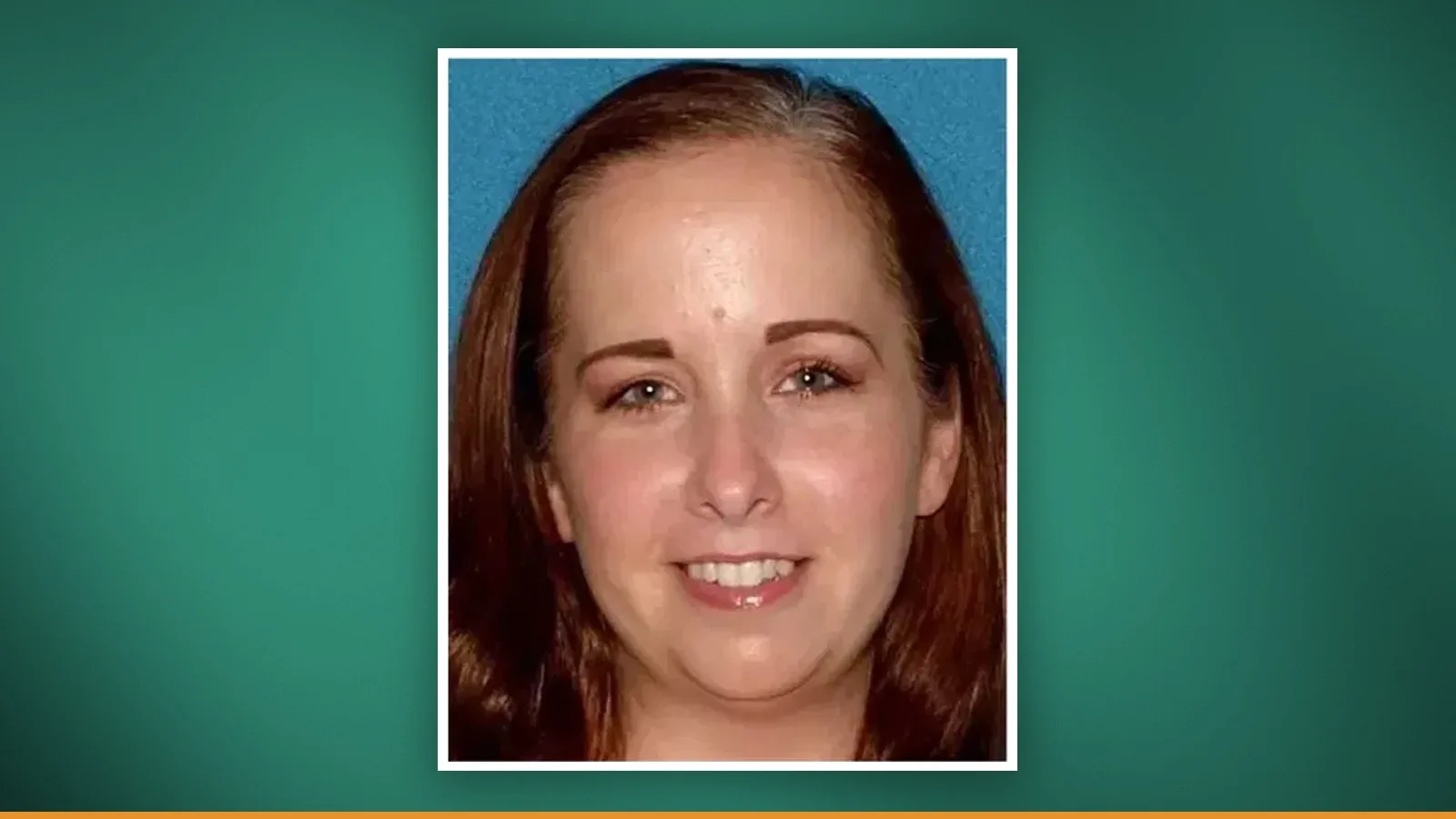
Melissa Payne shot Bart DiGuglielmo, 62, once in the abdomen on June 30 outside the store at 7900 W. McNab Road, the Broward Sheriff's Office said. DiGuglielmo, an Army sergeant who lived in Lauderhill, was taken to Broward Health Medical Center, where he was pronounced dead the same day. The Medical Examiner ruled the cause of death a gunshot wound and the manner homicide. The confrontation had started over a single parking spot.
Prosecutors laid out the decision in a closeout memo dated Sept. 1 and released Sept. 3, concluding that Payne acted in reasonable fear of death or great bodily harm and is immune from both arrest and prosecution under state law. The memo, written by Homicide Trial Unit Division Chief Stephen Zaccor, said there was relatively no dispute about what happened because the entire incident was captured on video.
What prosecutors found on the video
The confrontation began when Payne and DiGuglielmo tried to park in the same space, the memo said. Payne was driving a Chevy Malibu with her niece and her niece's baby, while DiGuglielmo was alone in a white Kia SUV. A brief stalemate followed, and both drivers stepped out of their vehicles before it escalated.
DiGuglielmo abandoned his car in the through lane, grabbed a shopping cart and walked into the Walmart, prosecutors wrote. Payne used the opening to park her Chevy Malibu in the disputed space. About 90 seconds later, DiGuglielmo came back out to his SUV and got back in.
Three witnesses told investigators they heard DiGuglielmo threaten Payne, one recalling that he said he was going to mess her car up, before he drove off at a high rate of speed. Instead of returning to the store, he parked about two aisles west of Payne, walked back toward her car, where her niece's infant was inside, and lingered under a tree smoking a cigarette. Witnesses described him as visibly angry and shaking as he watched her.
The shooting
When DiGuglielmo approached her car, Payne got out holding her phone in her left hand and a firearm in her right, the memo said. She warned him repeatedly, telling him not to come over, not to come near her car and not to try anything, and saying she would shoot if he kept coming toward her. A bystander called out that it was not worth it.
DiGuglielmo initially backed off, then kept advancing while making hand gestures, prosecutors wrote. Payne retreated all the way around her vehicle as he pursued her the entire time. He walked up to the car and, with keys in his hand, motioned as if he was going to damage it. Video captured him aggressively approaching her even as she held the gun. Payne then shot him once in the abdomen.
A dispute over a parking space. In a Walmart parking lot. The facts surrounding the June 30, 2026, homicide of Bart DiGuglielmo are as tragic as they are absurd.
After firing, Payne placed the gun on the roof of her car, the memo said. She was on the phone with her husband during the shooting and told him, "Bae, I shot. Call the cops." Deputies with the Broward Sheriff's Office briefly took her into custody and released her the same day after she said she had acted in self-defense. Her niece had gone into the store before the shooting, leaving her infant daughter in the car with Payne.
How stand your ground applied
Florida's stand your ground law allows a person who is not engaged in criminal activity, and who is somewhere they have a right to be, to use deadly force without a duty to retreat when they reasonably fear death or great bodily harm. The National Conference of State Legislatures counts at least 31 states with no duty to retreat.
Payne was in a public place, was not a convicted felon and had a legal right to possess a firearm, meaning she was doing nothing unlawful when she used deadly force, the memo said. The burden fell on the state, and based on DiGuglielmo's actions, prosecutors concluded they could not prove her fear of great bodily harm was unreasonable.
- Payne was lawfully in the Walmart parking lot, a place she had a right to be.
- She was not a convicted felon and could legally carry a firearm.
- She was not engaged in any criminal activity when she fired.
- The state could not disprove her fear of great bodily harm.
Under the law, Payne did not have to wait to be attacked or retreat as long as her fear was reasonable, prosecutors wrote. Because no evidence was presented to disprove that fear, the office concluded she qualified for immunity and closed the criminal case.
Who Bart DiGuglielmo was
DiGuglielmo was a sergeant in the U.S. Army and worked as an emergency room trauma nurse for 30 years, his daughter, Amanda DiGuglielmo, told Local 10 News. She described him as a devoted family man, a twin brother, a father of three and a grandfather, and said she would miss being able to call him and share holidays and lunches with him.
Amanda DiGuglielmo was very close to her father, and her children are now without their grandfather, her attorney, Melissa Rodriguez, said. Rodriguez said the family was heartbroken and disappointed that prosecutors declined to bring charges, and that they had maintained throughout that the shooting was not justified and should have gone before a court.
Family disputes the finding
Rodriguez said the shooting did not warrant stand your ground immunity. The references in the case, she said, all pointed to potential damage to Payne's vehicle rather than to a threat that would justify the use of deadly force against DiGuglielmo.
On Aug. 20, Rodriguez said she did not believe the shooting was justified and that criminal charges should be filed. After the Sept. 3 decision, she said Amanda DiGuglielmo was very disappointed and that the family had maintained the situation did not warrant stand your ground immunity.
What the evidence showed
The encounter was captured on multiple video sources, including a nearby parked Tesla, a cellphone and parking-lot surveillance cameras, according to prosecutors. A deputy's body camera recorded Payne's account afterwards. The recordings became the central evidence in the office's review of whether the shooting was justified.
On the body-camera video released Sept. 3, Payne is heard describing the encounter to deputies. She said DiGuglielmo had made several threats about her vehicle and that she had circled the parked cars and told him repeatedly to back up. She said he walked up on her several times before the situation escalated to the shooting, and that she had told him to stop.
This is not a situation in which deadly force was reasonable.
Damage to property does not constitute a reasonable ground for deadly force, even in a tense confrontation where a lot might have been said, Rodriguez said. The daughter and her legal team have argued the shooting was not an act of self-defense and should have led to charges.
Prosecutors reached the opposite conclusion. They wrote that the video did not show Payne was in the right, but that the state could not overcome her claim of reasonable fear of great bodily harm by clear and convincing evidence, the standard required to defeat a stand your ground claim. Investigators found Payne's recitation of events consistent with the various video sources.
Florida is a Stand Your Ground State. [Payne] did not have to wait to be attacked before resorting to deadly force. She did not have to retreat as long as her fear was reasonable and no evidence has been presented to disprove that.
Payne was released the day of the June 30 shooting and will not be arrested or charged in DiGuglielmo's death. The statute also grants immunity from civil suit, but a charging decision does not settle that question: under a 2017 Florida Supreme Court ruling a criminal determination does not bind a civil plaintiff, and Payne would have to establish immunity again in any lawsuit. A man at Payne's home told NBC6 on Sept. 3 that they were not talking.
Sources
- Local 10: Charges will not be filed against woman who fatally shot man in North Lauderdale Walmart parking lot
- ABC News: Woman who fatally shot man during confrontation over Florida parking space won't be charged
- Atlanta Black Star: Black woman who killed man at Florida Walmart over parking dispute escapes charges
- NBC6 Miami: Woman won't face charges in fatal parking dispute shooting at North Lauderdale Walmart